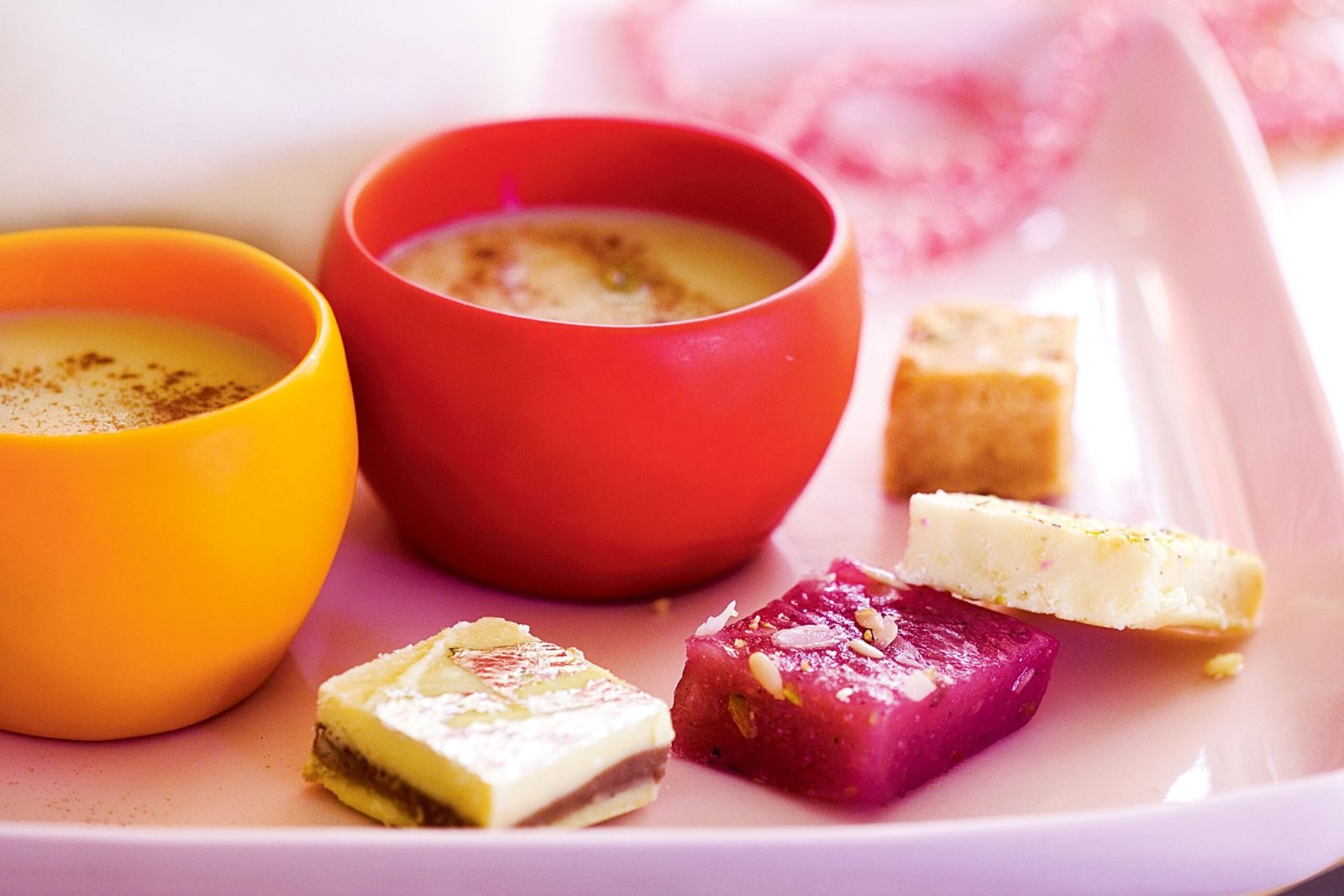
Hey there, picture this: It’s a rainy afternoon in Mumbai, and I’m huddled under my grandma’s old shawl, the kind that smells faintly of sandalwood and spices. The air is thick with the scent of brewing masala chai— that earthy black tea mingling with cardamom and ginger—while a plate of fresh gulab jamun sits steaming on the table. My nani (grandma) would hand me a cup, her eyes twinkling, and say, “Beta, chai without mithai is like a hug without warmth.” Those moments weren’t just about the flavors; they were about connection, comfort, and the simple joy of slowing down. If you’ve ever wondered why chai and Indian sweets feel like the ultimate duo, you’re in for a treat. In this guide, we’ll dive deep into what makes this pairing so special, from its roots in Indian culture to practical tips on enjoying it at home or sourcing it online. Whether you’re a chai newbie or a lifelong fan, let’s explore how this sweet-spicy ritual can brighten your day.
The Rich History of Chai and Indian Sweets
Chai, or masala chai as it’s often called, has a backstory as layered as its spices. Originating in India during the British colonial era, tea was first introduced as a commercial crop in the 19th century, but Indians transformed it from a simple brew into something uniquely their own by adding milk, sugar, and aromatic spices like ginger, cardamom, and cloves. It wasn’t until the early 20th century, with aggressive marketing by the Indian Tea Association, that chai became a daily staple, especially among workers in factories and on railways. Street vendors, or chaiwalas, popped up everywhere, turning it into a symbol of hospitality and community.
Indian sweets, or mithai, trace their origins even further back, to ancient texts like the Vedas, where recipes for confections made from milk, sugar, and nuts appear as offerings in rituals. Over centuries, mithai evolved with influences from Mughal cuisine, incorporating rich ingredients like khoya (reduced milk) and saffron. Festivals like Diwali and Holi wouldn’t be complete without them, often paired with chai to balance the sweetness with the tea’s subtle bitterness.
What Exactly Is Chai?
Chai is more than just “tea”—in Hindi, it simply means tea, but the version we love is masala chai, a spiced milk tea that’s sweet, creamy, and aromatic. At its core, it’s black tea (usually Assam or CTC—crush, tear, curl—for that bold flavor) simmered with water, milk, and a blend of spices, then sweetened with sugar or jaggery. The spices, or masala, can vary by family or region: ginger for warmth, cardamom for a floral note, cinnamon for subtle sweetness, cloves for depth, and sometimes black pepper for a kick.
What sets authentic Indian chai apart from the overly sweet lattes at coffee shops is its balance—it’s not just spicy; it’s comforting, like a warm blanket on a chilly evening. Growing up, my mom would make it stronger on Mondays when the week felt daunting, and I’d sip it slowly, feeling the ginger chase away any lingering sleepiness. If you’re new to it, start with a simple recipe: Boil water with crushed ginger and cardamom, add black tea leaves, simmer in milk, and stir in sugar to taste. It’s that easy, and oh, so rewarding.
Exploring the World of Indian Sweets (Mithai)
Mithai are the jewels of Indian cuisine—dense, flavorful confections that celebrate milk, sugar, nuts, and ghee. From the syrup-soaked gulab jamun to the fudgy burfi, each sweet tells a story of tradition and festivity. These aren’t your average candies; they’re labor-intensive treats often made fresh for special occasions, using techniques passed down generations.
Take jalebi, for instance: Crispy coils of batter fried and dunked in sugar syrup, their tangy-sweet crunch is addictive. Or rasgulla, spongy cheese balls floating in rose-flavored syrup, light enough to eat a dozen (don’t judge me). In my experience, mithai shops during Diwali are chaos—lines out the door, the air buzzing with excitement as families stock up. But what makes them shine? Their ability to pair perfectly with chai, cutting through the tea’s richness with bursts of sweetness and texture.
Popular Types of Indian Sweets
When it comes to mithai, variety is key. Here’s a quick rundown of some favorites that scream “pair me with chai”:
- Gulab Jamun: Deep-fried milk dough balls soaked in cardamom syrup—soft, syrupy, and utterly indulgent.
- Rasgulla: Fresh cheese spheres in thin sugar syrup, melt-in-your-mouth soft with a subtle sweetness.
- Burfi: Dense fudge-like squares made from condensed milk and nuts, often flavored with pistachio or coconut.
- Jalebi: Spiral-fried batter drenched in saffron syrup, crispy outside and gooey inside.
- Ladoo: Round besan (chickpea flour) or coconut balls, crumbly and nutty.
- Kaju Katli: Thin diamond-shaped cashew fudge, elegant and not too sweet.
- Halwa: Semolina or carrot-based pudding, warm and aromatic with ghee and cardamom.
Each one brings something unique to the table, and yes, I’ve burned my tongue more than once rushing to try them hot.
Perfect Pairings: Why Chai and Indian Sweets Go Hand in Hand
Pairing chai with mithai is like poetry in motion—the tea’s spicy warmth tempers the sweets’ cloying sweetness, creating harmony on your palate. Scientifically, it’s about contrast: The tannins in black tea balance the sugar rush, while spices like ginger aid digestion after rich treats. Culturally, it’s a ritual; in Indian homes, evening chai time often includes a small plate of mithai to unwind.
From my own mishaps—like once pairing overly spicy chai with super-sweet burfi and ending up with a flavor overload (lesson learned: balance is everything)—I’ve seen how the right combo elevates both. Chai’s creaminess coats the mouth, making each bite of mithai feel luxurious, while the sweets add a joyful hit of indulgence. It’s not just food; it’s an experience that fosters conversations and memories.
Best Sweets to Pair with Chai
Not all mithai are created equal for chai pairing. Here’s a curated list based on flavor profiles—spicy chai loves milder sweets, while plain chai can handle bolder ones. I’ve ranked them by how seamlessly they blend, drawing from personal trials and traditional wisdom.
| Sweet | Why It Pairs Well with Chai | Flavor Notes | Best Chai Type |
|---|---|---|---|
| Gulab Jamun | Syrupy sweetness cuts through chai’s spice; the warmth enhances the dough’s softness. | Rose-cardamom syrup, milky interior | Masala Chai (strong ginger) |
| Rasgulla | Light and spongy, provides a clean contrast to chai’s richness without overwhelming. | Subtle saffron, fresh cheese | Plain or Cardamom Chai |
| Burfi (Pistachio) | Nutty density balances chai’s creaminess; a fudgy bite after each sip. | Green nuts, mild sweetness | Ginger Chai |
| Jalebi | Crispy crunch against chai’s smoothness; tanginess refreshes the palate. | Saffron syrup, fried batter | Spicy Masala Chai |
| Ladoo (Besan) | Crumbly texture absorbs chai flavors; earthy notes complement spices. | Chickpea flour, ghee | Traditional Black Tea Chai |
| Kaju Katli | Delicate cashew flavor adds elegance; not too sweet for everyday pairing. | Pure cashew, silver leaf | Mild Cardamom Chai |
| Halwa (Gajar) | Warm, carrot-based pudding mirrors chai’s comforting vibe. | Caramelized carrots, nuts | Cinnamon-Heavy Chai |
These pairings aren’t set in stone—experiment! For instance, during my last Diwali party, gulab jamun with extra-gingery chai was the crowd-pleaser, but rasgulla stole the show for lighter moments.
Comparison of Sweet vs. Savory Pairings
While sweets dominate, chai shines with savories too. Here’s a quick comparison to help you decide based on mood or occasion.
| Aspect | Sweet Pairings (Mithai) | Savory Pairings (Snacks) |
|---|---|---|
| Flavor Balance | Sweetness tempers chai’s bitterness; indulgent and festive. | Spice contrasts chai’s warmth; energizing and casual. |
| Occasion | Festivals, evenings, desserts. | Breakfast, monsoons, quick bites. |
| Examples | Gulab jamun, burfi. | Samosas, pakoras, biscuits like Parle-G. |
| Health Angle | Quick energy from sugars; pair mindfully to avoid overload. | Protein from nuts/veggies; lighter on calories. |
| Personal Pick | My go-to for cozy nights—feels like a treat! | Great for rainy days, but sweets win for pure joy. |
Savories like mathri or khakhra are fantastic (and less guilt-inducing), but nothing beats the emotional pull of mithai with chai—it’s like dessert and drink in one hug.
How to Make Authentic Chai at Home
Brewing chai is an art, but don’t worry—it’s forgiving. Start with fresh spices for that authentic punch; pre-ground ones lose potency. My foolproof recipe serves two: Crush 2 cardamom pods, 1-inch ginger, and 2 cloves. Boil 1 cup water with these, add 1 tsp black tea leaves (Assam works best), simmer 2 minutes. Pour in 1 cup milk, bring to a boil, add 1-2 tsp sugar, strain, and serve hot. Pro tip: Use full-fat milk for creaminess; skim makes it watery.
For variations, try elaichi chai (just cardamom) if you’re easing in, or add tulsi leaves for a herbal twist. I remember my first solo attempt—too much ginger, and it tasted like medicine! But practice makes perfect, and soon you’ll be the family chai master. Tools? A simple saucepan and strainer; no fancy gadgets needed. For the best results, use loose-leaf tea over bags for bolder flavor.
Step-by-Step Chai Recipe
Follow this for foolproof masala chai—it’s my nani’s recipe, tweaked for modern kitchens.
- Prep spices: Crush 4 cardamom pods, ½-inch ginger, 2 cloves, and a cinnamon stick.
- Boil base: In a pot, bring 1½ cups water to a rolling boil with spices.
- Add tea: Stir in 1½ tsp black tea leaves; simmer 1-2 minutes until dark.
- Incorporate milk: Add 1½ cups milk; boil until frothy (about 2 minutes).
- Sweeten and strain: Add 2 tsp sugar (or jaggery for earthiness), strain into cups.
- Serve: Enjoy immediately with your favorite mithai.
This yields a balanced cup—spicy yet sweet. Adjust ginger for more kick; it’s great for colds too.
Simple Recipes for Indian Sweets to Pair with Chai
Making mithai at home is rewarding, though time-intensive. Start small with no-cook options like date nut ladoo. For gulab jamun, mix milk powder, baking soda, and ghee into dough, fry balls, and soak in sugar syrup infused with cardamom. My first batch was lumpy (humorously called “potato bombs” by my husband), but they tasted divine with chai.
Pros of homemade: Freshness, customization (less sugar for health). Cons: Messy frying, time (30-60 minutes). For beginners, try this easy burfi: Cook 1 cup khoya with ½ cup sugar and pistachios until thick, set in a tray, and cut. Pair it with chai for a nutty delight. Remember, mithai is forgiving—imperfect shapes still taste amazing!
Quick Gulab Jamun Recipe
This classic is a chai superstar—syrupy and soft. Prep time: 20 minutes; cook: 15 minutes.
- Ingredients (for 10 pieces): 1 cup milk powder, ¼ tsp baking soda, 1 tbsp ghee, ½ cup milk (for dough), oil for frying; Syrup: 1 cup sugar, 1 cup water, ½ tsp cardamom powder.
- Steps: Mix dry ingredients, add ghee and milk to form dough. Roll into balls. Fry in hot oil until golden. Boil syrup until sticky, soak balls for 30 minutes.
- Tip: Serve warm with hot chai—the syrup melts into the tea for extra bliss.
Pros and Cons of Homemade Mithai
- Pros:
- Fresher taste and controllable sweetness (great for health-conscious folks).
- Custom flavors—add chai spices for a fusion twist.
- Cost-effective; uses pantry staples.
- Emotional satisfaction; like my grandma’s kitchen magic.
- Cons:
- Frying can be oily and time-consuming.
- Syrup handling is sticky (and burns easily—ouch!).
- Shelf life shorter than store-bought (eat within 2-3 days).
- Trial-and-error for perfect texture; my early ladoos were rock-hard!
Despite the cons, the joy of pairing your handmade sweets with chai outweighs it all.
Health Benefits of Enjoying Chai with Indian Sweets
Chai isn’t just comforting—it’s packed with antioxidants from black tea and anti-inflammatory spices like ginger (for digestion) and cinnamon (for blood sugar control). Mithai, when enjoyed mindfully, adds nutrients: Nuts in kaju katli provide healthy fats, while milk-based sweets offer calcium. Together, they can boost immunity (cloves and cardamom fight colds) and even aid heart health by lowering cholesterol.
But balance is key—sweets bring sugar, so pair with unsweetened chai to avoid spikes. In moderation (1-2 cups daily), this duo supports weight management; ginger revs metabolism, offsetting sweet calories. Personally, after a stressful day, this combo feels like therapy—warms you up without the coffee jitters. For diabetics, opt for jaggery-sweetened versions; studies show it has a lower glycemic index. Overall, it’s a holistic treat: Spices soothe nausea, tea promotes focus via L-theanine.
Potential Drawbacks and Tips
While beneficial, overdoing sweets can lead to weight gain. Tip: Alternate with savory pairings. Chai’s caffeine (about 40mg per cup) is milder than coffee, but limit if sensitive. For max benefits, brew fresh and use whole spices—powders lose potency.
Where to Buy Chai and Indian Sweets Online or In-Store
Craving authenticity without the hassle? Online stores make it easy. For chai, try Chai Point for premium loose-leaf masala blends shipped fresh, or Kolkata Chai Co. for organic Assam mixes with recipes included. In the US, India Sweets and Spices offers both chai spices and mithai like fresh burfi, with nationwide shipping.
For sweets, Shastha Online delivers gulab jamun and ladoo straight from California kitchens—perfect for Diwali boxes. Chowpatty Sweets & Snacks has nationwide options with same-day shipping if ordered early. Locally, hit up Indian grocery stores like Patel Brothers for Parle-G biscuits to dunk in chai. Prices? A 200g chai pack runs $10-15; mithai assortments $20-30. Pro tip: Check for freshness dates and reviews—I’ve ordered dud syrupy sweets before, but these sites are reliable.
Transactional Guide: Best Online Tools for Buying
- For Chai: Use apps like Amazon for quick delivery of Tata Tea or loose spices; filter by “organic” for health perks.
- For Mithai: Sites like JioMart (India) or iShopIndian (US) offer combos—chai kits with sweets for under $25.
- Tools: Subscription boxes from Herbs and Kettles for monthly chai deliveries; pair with Grand Sweets for sweets.
These make stocking up transactional and fun—no more last-minute runs!
People Also Ask (PAA)
Based on common Google queries, here are real questions about chai and Indian sweets, answered with insights.
What is the best Indian sweet to pair with chai?
Gulab jamun tops the list for its syrupy warmth that melts into chai’s spice, creating a balanced indulgence. Rasgulla is a close second for lighter moments—its sponginess contrasts the tea’s creaminess without overwhelming. Personally, I alternate based on mood; gulab jamun for cozy evenings, rasgulla for quick bites.
Why does chai taste bland after eating mithai?
Sugar from sweets temporarily dulls your taste buds’ sensitivity to bitterness in tea’s tannins, making it seem weak. Rinse with water or sip chai first to avoid this. In Indian culture, it’s common during festivals, so brew stronger or wait 5 minutes post-mithai.
Is chai with sweets healthy?
In moderation, yes—chai’s antioxidants and spices aid digestion and immunity, while nuts in sweets add protein. But watch sugar; use jaggery and limit to 1-2 servings. It’s better than soda, offering heart benefits from cinnamon.
Where can I buy authentic Indian chai and mithai online?
Try Chai Point for chai and Shastha Online for sweets—both ship fresh across the US/India. For combos, Amazon has bundles under $20.
How do you make chai at home for pairing with sweets?
Follow my earlier recipe: Strong masala base with ginger for spice to cut sweetness. Add less sugar to let mithai shine. Dunk biscuits first if including savories.
FAQ
Can I make vegan chai with Indian sweets?
Absolutely! Use almond or oat milk for chai—oat mimics creaminess best. For sweets, try coconut-based ladoo or store-bought vegan options from Shastha. It pairs just as well, with ginger aiding plant-based digestion.
What’s the difference between Indian chai and Western chai lattes?
Indian chai is boiled with fresh spices for bold, balanced flavor; lattes use syrups, often sweeter and less spicy. Go authentic for health perks—fewer additives.
How many calories in chai with one gulab jamun?
About 150-200 calories: Chai (unsweetened, 100 cal with milk), jamun (100 cal). Opt for low-sugar versions to keep it under 150.
Are there low-sugar mithai options for chai pairing?
Yes, kaju katli or nut-based barfi with stevia. Or fruit-infused like anjeer (fig) ladoo—pairs with unsweetened chai for a healthier twist.
Can chai with sweets help with digestion?
Yes, ginger and cardamom in chai soothe the stomach, countering mithai’s richness. It’s a traditional post-meal ritual in India for that reason.
There you have it—a deep dive into the magic of chai with Indian sweets. From my grandma’s kitchen stories to your own brewing adventures, this pairing is more than flavors; it’s a slice of joy. Next time you sip, savor the moment—it might just become your new favorite ritual.