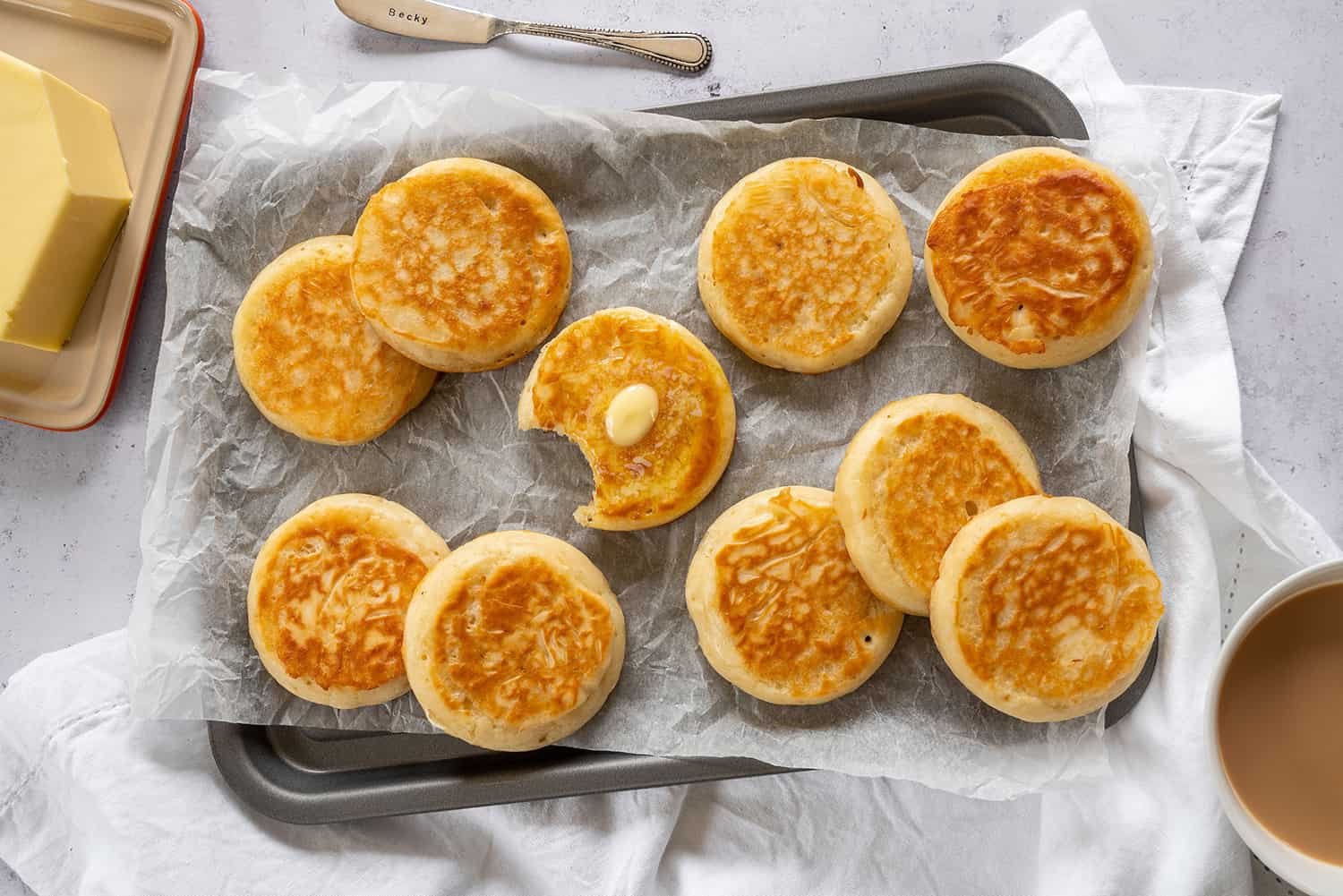
Hey there, fellow food lovers. Picture this: It’s a drizzly afternoon in my cozy kitchen, the kind of day that screams for a hot cup of tea and something warm and comforting to nibble on. Back when I first went gluten-free after a doctor’s visit confirmed my celiac disease, I mourned the loss of simple pleasures like buttery toast or those spongy crumpets slathered in jam. But oh, how things have changed. These days, I’m all about whipping up gluten-free crumpets that taste just as indulgent—if not more so—without the gut-wrenching aftermath. If you’re navigating a gluten-free life or just curious about healthier twists on British classics, stick with me. We’ll dive deep into everything from what makes these little gems special to how you can make or buy your own.
What Are Gluten-Free Crumpets?
Gluten-free crumpets are a brilliant adaptation of the traditional British treat, crafted without wheat or any gluten-containing grains. They’re those soft, holey pancakes you toast up and drown in butter, but made with alternative flours like rice, almond, or a gluten-free blend to keep things safe for sensitive tummies.
At their core, they’re a yeasted batter cooked in rings on a griddle, resulting in that signature bubbly top perfect for toppings. Unlike regular crumpets, which rely on gluten for structure, these use binders like xanthan gum to mimic the chewiness. I’ve found them to be a game-changer for breakfast routines, especially on busy mornings when I need something quick yet satisfying.
What I love most is how they’ve evolved—many recipes now incorporate vegan or low-FODMAP options, making them accessible for all sorts of dietary needs. It’s like the universe decided to make gluten intolerance a little less lonely.
The History and Cultural Significance of Crumpets
Crumpets trace their roots back to 17th-century England, possibly inspired by Welsh griddle cakes or even Anglo-Saxon flatbreads. They became a staple in Victorian tea times, symbolizing comfort and simplicity amid industrial hustle.
Over time, they’ve woven into British culture as the ultimate rainy-day snack, often paired with Marmite or golden syrup. For me, they evoke childhood memories of my gran’s kitchen, where the aroma of toasting crumpets filled the air. Going gluten-free didn’t erase that nostalgia; it just meant recreating it on my terms.
Today, with rising awareness of gluten sensitivities, crumpets have gone global and inclusive. Brands and home bakers alike are innovating, turning a humble bake into a symbol of adaptability. It’s heartwarming to see how food traditions bend without breaking.
Why Go Gluten-Free? Understanding the Basics
Going gluten-free isn’t just a trend—it’s a necessity for millions dealing with celiac disease, wheat allergies, or non-celiac gluten sensitivity. Gluten, a protein in wheat, barley, and rye, can trigger inflammation and digestive woes in those folks.
Switching to a gluten-free diet can lead to clearer skin, more energy, and fewer tummy troubles. From my own journey, I remember the fog lifting after ditching gluten; suddenly, mornings felt brighter. But it’s not all smooth sailing—nutrient gaps can sneak in, so focusing on balanced alternatives like fortified flours is key.
Gluten-free eating opens doors to creative cooking, too. It’s about reclaiming joy in food without compromise. If you’re new to this, start small; your body will thank you.
Health Benefits of Gluten-Free Crumpets
One major perk is digestive relief. For celiacs like me, avoiding gluten prevents intestinal damage, reducing risks of malnutrition or long-term issues like osteoporosis. These crumpets, often made with nutrient-dense flours, can boost fiber intake too—think almond flour for healthy fats or rice for easy digestion.
They’re versatile for other diets: many are low-FODMAP, helping IBS sufferers, or vegan for plant-based eaters. I once hosted a brunch where gluten-free crumpets were the star; everyone raved, and no one felt deprived. Plus, they can be lighter on calories if you skip heavy toppings, aiding weight management.
Emotionally, they restore normalcy. After years of sidelined treats, biting into a homemade one feels like victory. Just remember, not all gluten-free means healthy—watch for added sugars.
Ingredients in Gluten-Free Crumpets
Core ingredients include a gluten-free flour blend (rice, tapioca, or sorghum for lightness), yeast for rise, milk (dairy or plant-based), sugar, salt, and baking soda for bubbles. Binders like xanthan gum prevent crumbly textures.
For vegan versions, swap milk for almond or oat. Low-FODMAP? Use lactose-free options. I experiment with coconut flour for a nutty twist—it adds moisture without sogginess. Freshness matters; stale yeast kills the fluff.
Sourcing quality matters. Brands like Doves Farm offer reliable blends. Pro tip: Always check labels for cross-contamination.
How to Make Gluten-Free Crumpets at Home: Step-by-Step Recipe
Making your own is easier than you think, and the payoff is fresh, customizable crumpets. This recipe yields about 8, perfect for a weekend batch.
Start with 250g gluten-free self-raising flour, 7g yeast, 1 tsp sugar, 1/2 tsp salt, 300ml warm milk (or almond for vegan), and 1/2 tsp baking soda. Dissolve yeast and sugar in warm milk; let it froth for 10 minutes.
Mix flour and salt, then add the yeast mixture. Stir to a thick batter, cover, and let rise in a warm spot for 1 hour until bubbly. Stir in baking soda dissolved in a splash of warm water; the batter should drop like thick cream.
Heat a greased pan over low-medium, place oiled crumpet rings (or egg rings), and spoon in batter to fill halfway. Cook 5-7 minutes until holes form and top sets. Flip for 1-2 minutes to brown. Cool on a rack.
Serve toasted with butter and jam. They freeze well—pop straight from freezer to toaster. My first batch was a bubbly disaster (too thick!), but tweaks made them spot-on. Patience is key; the aroma alone is worth it.
Tips for Perfect Texture
Batter consistency is everything—too thick, no holes; too thin, flat pucks. Aim for pancake-like pour. Low heat prevents burning while allowing bubbles.
Grease rings generously; non-stick spray works wonders. If no rings, use muffin tins for baked versions. Resting overnight enhances flavor, like sourdough magic.
Experiment: Add herbs for savory or cinnamon for sweet. Store in an airtight container; revive in the toaster.
Gluten-Free Crumpets vs. Regular Crumpets: A Comparison
Let’s break it down side by side. Regular crumpets use wheat flour, giving elastic chew and deep holes from gluten’s structure. Gluten-free versions swap for blends, often needing xanthan for binding.
| Aspect | Regular Crumpets | Gluten-Free Crumpets |
|---|---|---|
| Flour Base | Wheat flour (gluten-rich) | Rice, almond, or tapioca blends |
| Texture | Chewy, elastic with large holes | Spongy, lighter; holes via yeast |
| Taste | Neutral, yeasty | Slightly nutty or milder |
| Health Impact | Can cause digestive issues | Gut-friendly, allergen-safe |
| Price (per pack) | £1-£1.50 | £1.50-£2.50 |
| Availability | Everywhere | Specialty aisles or online |
Regular ones might edge out in authenticity, but gluten-free shine in inclusivity. I prefer the latter—no bloat, just bliss. Drawback? They can dry faster, so toast fresh.
Pros and Cons of Gluten-Free Crumpets
Pros
- Health Boost: No gluten means no inflammation; ideal for celiacs.
- Versatility: Vegan, low-carb tweaks possible; endless toppings.
- Taste Surprise: Often fresher, with unique flavors from alternative flours.
- Easy Storage: Freeze like regulars; quick thaw.
In my experience, they’re a morale booster—my family devours them without knowing the difference.
Cons
- Texture Challenges: Can be denser or less holey without practice.
- Cost: Premium ingredients hike prices.
- Availability: Not in every store; online hunting needed.
- Learning Curve: Homemade requires trial; store-bought varies in quality.
Humorously, my early attempts were “crumpuck” disasters, but persistence pays off. Weigh the trade-offs; for me, the pros win hands down.
Best Brands and Where to Buy Gluten-Free Crumpets
When time’s short, store-bought saves the day. Top picks include Genius (soft, milky-free, around £1.68 at Tesco), Warburtons (fluffy with holes, £2 at supermarkets), and Liberate (vegan, allergen-free, online via their site for £3-4).
For U.S. folks, check Britsuperstore for imports. In the UK, Sainsbury’s or M&S “Made Without Wheat” line impresses with crisp toasting. Avoid burnt batches—inspect bottoms!
Online, Amazon stocks Doves Farm mixes for DIY. My go-to? Genius for reliability; they’ve never let me down at brunch.
Delicious Ways to Serve and Enjoy Gluten-Free Crumpets
Toast ’em golden and pile on butter—classic heaven. For sweet, honey or jam; savory, avocado and eggs. I once topped mine with cheese and bacon for a mini pizza—kids loved it.
Pair with tea for afternoon ritual, or fruit for breakfast. Light humor: Don’t skimp on toppings; those holes are begging! Experiment seasonally—strawberry jam in summer, nut butter in winter.
People Also Ask (PAA): Common Questions About Gluten-Free Crumpets
Based on real searches, here are top queries with straightforward answers.
Are gluten-free crumpets as good as regular ones?
Absolutely, many say yes! Brands like Genius mimic the chew, though texture varies. Homemade can surpass store-bought with fresh ingredients. From my trials, they’re often lighter and less doughy.
Can you make gluten-free crumpets without rings?
Yes! Use egg rings, muffin tins, or free-form on a greased pan. Baked versions in the oven work too, though holes might be smaller. It’s forgiving for beginners.
Do gluten-free crumpets taste different?
They can have a subtle nutty note from alternative flours, but yeast keeps the familiar tang. Toppings mask any difference. I find them fresher-tasting overall.
Where can I buy gluten-free crumpets in the US?
Imports via Britsuperstore or Amazon; local health stores carry Schar or Udi’s. For UK expats, it’s a taste of home. Check labels for freshness.
Are store-bought gluten-free crumpets healthy?
Depends—opt for low-sugar, whole-grain blends. They’re better than wheat for sensitives but watch additives. Homemade lets you control nutrition.
FAQ: Your Gluten-Free Crumpet Questions Answered
How long do homemade gluten-free crumpets last?
Up to 2 days at room temp in an airtight container, or freeze for 3 months. Toast from frozen—no sogginess. I batch-freeze for weekly treats.
Can I use a different milk in the recipe?
Yes! Almond, soy, or oat (gluten-free certified) work great. For richer flavor, try coconut milk. Adjust for thickness; plant milks can make batter lighter.
Why don’t my gluten-free crumpets have holes?
Batter too thick or heat too high—bubbles pop before setting. Thin with warm water and cook low-slow. My fix after failed batches? Patience and tweaks.
Are there vegan gluten-free crumpet options?
Plenty! Use plant milk and vegan butter. Liberate brand is fully vegan. I love adding flax for extra binding in homemade versions.
What’s the best topping for gluten-free crumpets?
Butter and jam for classic, but try peanut butter or Marmite. For fancy, smoked salmon and cream cheese. Endless fun—my favorite is honey for that sticky joy.
There you have it—a deep dive into the world of gluten-free crumpets that’s turned my kitchen into a haven of happiness. Whether you’re baking your first batch or grabbing a pack from the store, these treats prove that going gluten-free doesn’t mean giving up flavor or fun. Give it a go, and let me know your twists—I’d love to hear your stories. After all, food’s best shared, gluten or no.