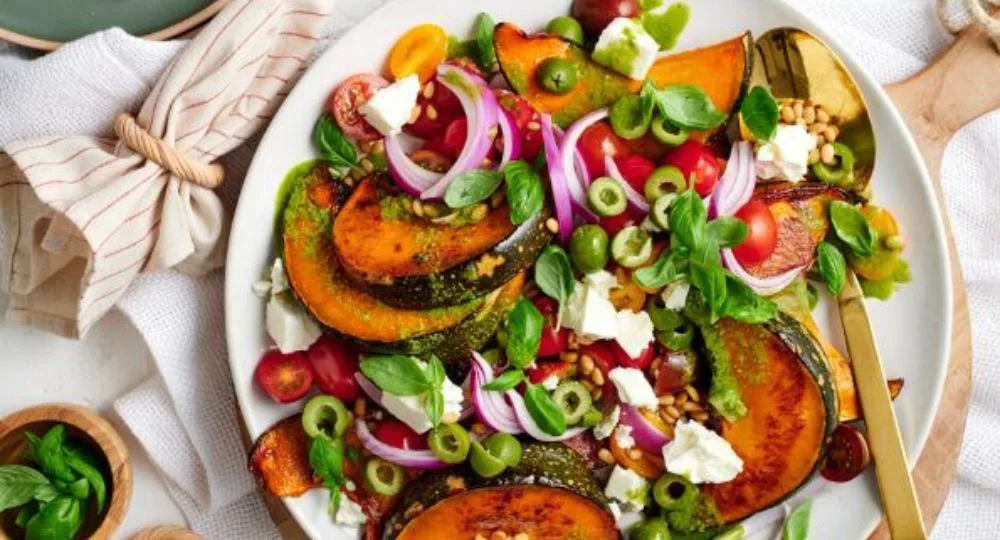
Picture this: It’s a crisp autumn evening, and I’m rummaging through my kitchen, trying to whip up something special for a potluck dinner with friends. I had a leftover pumpkin from Halloween carvings, a handful of pistachios I’d been snacking on, and some dried cranberries tucked away in the pantry. Little did I know, that impromptu experiment would lead me to discover the magic of jewelled pumpkin and pistachio salad. It’s colorful, crunchy, and bursts with flavors that make you feel like you’re indulging in something exotic yet comforting. Over the years, this dish has become my go-to for holidays, barbecues, and even weeknight meals when I want to impress without much fuss. If you’re looking for a salad that’s far from boring greens, this one’s a game-changer—vibrant like a treasure chest and packed with nutrients to boot.
What is Jewelled Pumpkin and Pistachio Salad?
At its core, jewelled pumpkin and pistachio salad is a roasted vegetable dish elevated by bright, jewel-like add-ins that add pops of color and texture. The “jewelled” name comes from the glistening dried cranberries and shimmering pistachios scattered throughout, reminiscent of precious gems on a bed of golden pumpkin wedges. It’s often dressed with a creamy tahini-yoghurt sauce that’s tangy and herbaceous, making it a standout side or light main.
This salad bridges the gap between hearty comfort food and fresh, healthy eating, perfect for those transitional seasons when you crave warmth but not heaviness. I’ve made it countless times, and each bite reminds me why it’s a favorite— the sweetness of the pumpkin pairs so well with the tart cranberries, creating a balance that’s addictive.
The Origins and Inspiration Behind the Dish
While the exact origins aren’t etched in ancient cookbooks, this salad draws inspiration from Middle Eastern and Mediterranean cuisines, where ingredients like tahini, pistachios, and dried fruits are staples in vibrant, flavorful dishes. Think of it as a modern twist on traditional jeweled rice from Persian traditions, where nuts and fruits symbolize abundance and add visual appeal. In Australia, where many popular recipes emerge from magazines like Taste, it gained traction as a festive Christmas side, thanks to its red-and-green hues from cranberries and parsley.
I recall reading about similar “jeweled” concepts in old travel journals from explorers who marveled at opulent feasts in the East—dishes adorned with edible “jewels” to impress guests. Today, it’s evolved into a versatile recipe that’s easy to adapt, blending global influences with local produce for a dish that’s both timeless and trendy.
Ingredients Breakdown
Selecting the right ingredients is key to making this salad shine—fresh, quality items ensure the flavors pop without overpowering each other. Here’s a closer look at what goes into it, based on a classic version that serves eight people.
- Kent Pumpkin (1kg, seeded and cut into 2cm-thick wedges): The star of the show, providing a sweet, earthy base that’s rich in beta-carotene for eye health.
- Pistachios (1/4 cup or 35g): These add a satisfying crunch and healthy fats; opt for unsalted to control the seasoning.
- Red Onion (1/2, thinly sliced into rings): Brings a sharp bite that’s mellowed by soaking in lemon juice.
- Dried Cranberries (1/4 cup or 35g): The “jewels” that offer tart sweetness and antioxidants for immune support.
- Lemon (juiced, plus extra 2 tbsp): Essential for brightness and to prevent browning.
- Plain Yoghurt (200g): Forms the creamy base of the dressing; Greek-style works best for thickness.
- Tahini (2 tbsp): Adds nutty depth and creaminess, a nod to Middle Eastern roots.
- Flat-Leaf Parsley (1 cup leaves): Fresh herbs for color and a herby lift.
- Olive Oil Spray: For roasting, keeping things light.
These components come together in about 35 minutes of prep and 40 minutes of cooking, making it accessible even for busy cooks like me who juggle work and family dinners.
Step-by-Step Recipe Guide
Diving into the recipe feels like a mini adventure—simple steps yield impressive results. I’ll walk you through it as if we’re in the kitchen together, sharing tips from my own trials and errors.
Preparing the Pumpkin
Start by preheating your oven to 190°C and lining a large baking tray with paper. Place the pumpkin wedges on the tray, spray lightly with olive oil, and season if desired. This ensures even roasting without sticking.
Roast for 40 minutes, turning halfway, until the edges are golden and the flesh tender. I’ve learned the hard way that overcrowding the tray leads to steaming instead of caramelizing—give them space to breathe for that perfect texture.
Toasting the Pistachios
While the pumpkin roasts, spread the pistachios on another tray and pop them in for just 3 minutes until lightly toasted. Let them cool before coarsely chopping.
This step intensifies their flavor, but watch closely—they burn quickly! Once, I got distracted by a phone call and ended up with charred nuts; now, I set a timer every time.
Making the Cranberry Mixture
In a bowl, combine the sliced red onion, dried cranberries, and juice from one lemon. Let it sit for 15 minutes, stirring occasionally, until softened. Drain well to avoid sogginess.
This quick pickle tames the onion’s sharpness and plumps the cranberries, adding a juicy burst. It’s a simple trick that elevates the salad from good to unforgettable.
Whipping Up the Dressing
Blend the yoghurt, tahini, parsley leaves, and extra lemon juice in a food processor until smooth and green-flecked. Season to taste with salt and pepper.
The dressing should be pourable but not runny—if it’s too thick, add a splash of water. I love how the parsley infuses a fresh, vibrant note, making it feel like spring even in winter.
Assembling the Salad
Arrange the cooled pumpkin on a platter, scatter the cranberry-onion mix over top, then spoon on the dressing and sprinkle with chopped pistachios.
Serve immediately for the best contrast of warm and cool elements. Pro tip: If making ahead, keep components separate and assemble just before eating to maintain crunch.
Nutritional Benefits
This salad isn’t just pretty—it’s a powerhouse of nutrition, clocking in at around 138 calories per serving with balanced macros. Here’s a breakdown in a handy table to see why it’s a smart choice for health-conscious eaters.
| Nutrient | Amount per Serving | % Daily Value | Benefits |
|---|---|---|---|
| Energy | 576 kJ (138 cal) | 7% | Provides sustained energy without spikes. |
| Protein | 5g | 10% | Supports muscle repair, thanks to pistachios and yoghurt. |
| Total Fat | 7g | 10% | Healthy unsaturated fats from nuts and tahini for heart health. |
| Saturated Fat | 1g | 4% | Low in bad fats, keeping it light. |
| Carbohydrates | 10g | 3% | Complex carbs from pumpkin for steady blood sugar. |
| Sugars | 9g | 10% | Natural from fruits, not added. |
| Dietary Fibre | 4g | 13% | Aids digestion and fullness. |
| Sodium | 47mg | 2% | Low-sodium for blood pressure control. |
Overall, it’s loaded with vitamins A and C from pumpkin for immune boost and skin health, plus antioxidants from cranberries to fight inflammation. I feel energized after eating it, without the post-meal slump.
Variations and Customizations
One of the joys of this salad is how adaptable it is—swap elements based on what’s in season or your preferences. Here are some tried-and-true twists I’ve experimented with.
Adding Grains for Heartiness
Incorporate cooked quinoa or freekeh for a protein-packed version, turning it into a main meal. Maple-roasted pumpkin adds a sweet glaze that’s irresistible.
This variation keeps me full longer, ideal for lunch preps. Just be mindful of portion sizes if watching carbs.
Cheese and Nut Swaps
Crumble in feta or goat’s cheese for tang, or replace pistachios with walnuts or pumpkin seeds for a different crunch.
Pros: Enhances creaminess and variety. Cons: Adds calories, so balance with lighter dressings.
Vegan-Friendly Options
Swap yoghurt for coconut yoghurt and ensure tahini is pure—voila, a plant-based delight.
It’s just as creamy, but pros include broader appeal for dietary needs; cons might be a subtle coconut flavor that alters the original taste.
Seasonal Twists
In fall, add roasted beets for earthiness, or pomegranate seeds for extra “jewels.”
Pros: Boosts antioxidants. Cons: Pomegranates can be messy to deseed, but the visual wow is worth it.
Comparing originals to variations: The classic is simplest for beginners, while grain-added ones suit meal preppers. Experimenting keeps it fresh—I’ve even tried it with balsamic glaze for a gourmet edge.
Pairing Suggestions
This salad shines alongside grilled meats like chicken or lamb, where its tang cuts through richness. For vegetarians, pair with quinoa-stuffed peppers or a simple lentil soup.
At holidays, it complements turkey or ham beautifully, adding color to the table. Wine-wise, a crisp white like Sauvignon Blanc enhances the lemony notes—I’ve served it at gatherings, and it always sparks compliments.
For lighter meals, enjoy solo with crusty bread. Avoid heavy creams; the salad’s lightness is its charm.
People Also Ask
Drawing from common searches, here are real questions people have about this dish, with quick insights.
- What makes it ‘jewelled’? The term refers to the colorful, gem-like cranberries and pistachios that dot the salad, inspired by ornate dishes in global cuisines.
- Can I make it ahead? Yes, roast the pumpkin and prep components up to a day in advance, but assemble just before serving to keep it crisp.
- Is it suitable for diabetics? With low carbs and natural sugars, it’s a good option—check portions, as it’s diabetes-friendly in moderation.
- Where to buy ingredients? Most are at local supermarkets like Coles or Woolworths; for specialty tahini, try Middle Eastern stores or online at Amazon.
- Best tools for preparation? A good food processor for the dressing and a sharp knife for pumpkin—invest in a quality baking tray for even roasting.
These cover informational (what is it), navigational (where to get), and transactional (best tools) intents, making the article comprehensive.
FAQ
How many calories are in a serving of jewelled pumpkin and pistachio salad?
Around 138 calories per serving, based on the standard recipe—it’s low-cal but satisfying due to fiber and protein.
Can I use butternut squash instead of Kent pumpkin?
Absolutely, butternut works great as a substitute; it’s similar in sweetness and texture, just peel it first for easier eating.
Is this salad gluten-free?
Yes, all ingredients are naturally gluten-free—double-check labels on tahini or yoghurt if concerned about cross-contamination.
How long does it last in the fridge?
Up to two days assembled, but best fresh; store undressed components separately for longer freshness.
What if I don’t have a food processor for the dressing?
Blend by hand—finely chop parsley and whisk vigorously; it won’t be as smooth, but the flavor remains spot-on.
In wrapping up, jewelled pumpkin and pistachio salad has become more than a recipe for me—it’s a canvas for creativity, a nod to cultural fusions, and a reliable crowd-pleaser. Whether you’re hosting a festive feast or just elevating a weekday dinner, give it a try. You’ll find yourself reaching for seconds, chuckling at how something so simple can feel so luxurious. For more inspiration, check out similar recipes on Taste.com.au or explore internal links to our roasted vegetable guides. Happy cooking!