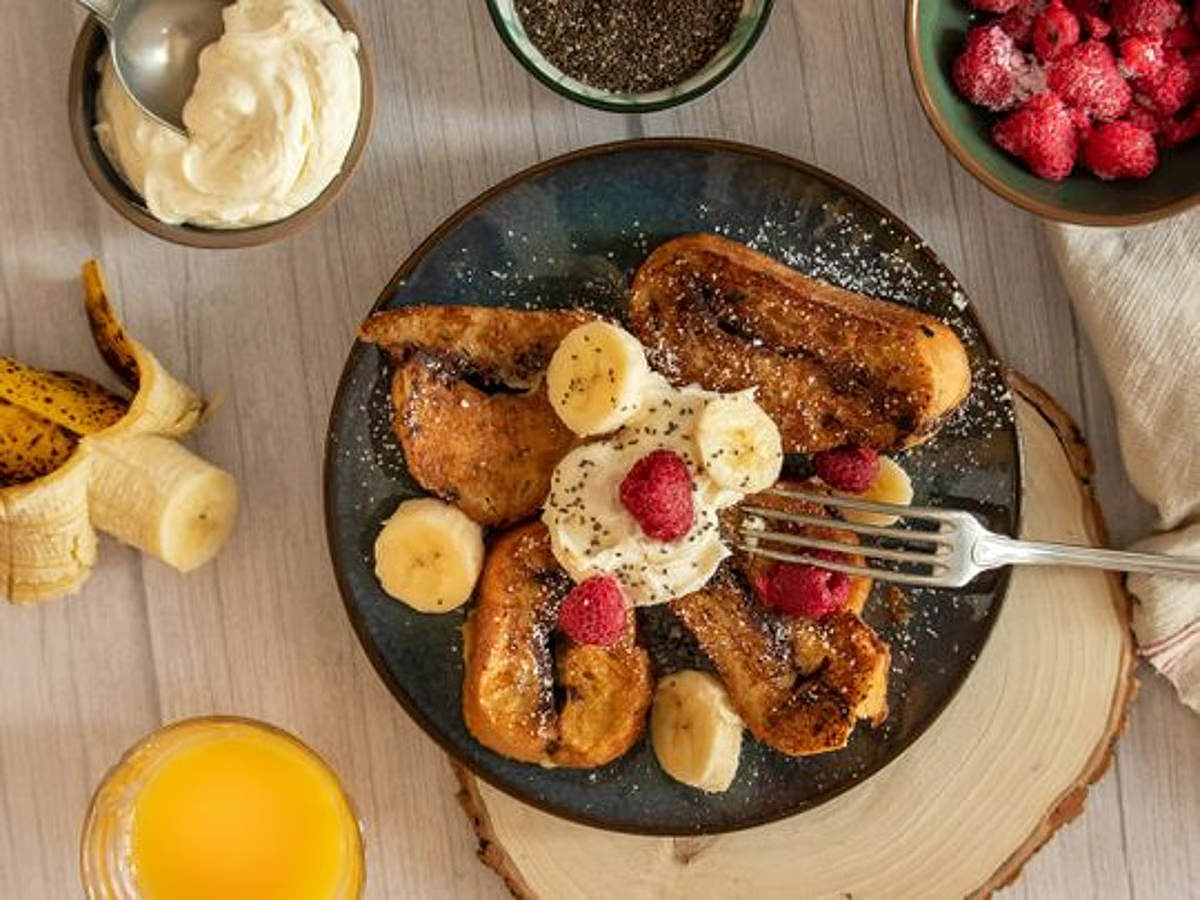
Hey there, fellow food lovers. Picture this: It’s a lazy Sunday morning, sunlight filtering through the kitchen window, and the aroma of sizzling butter filling the air. Instead of the usual sweet stack drenched in maple syrup, you’re biting into golden, crispy slices infused with herbs, cheese, and maybe a hint of spice. That’s the magic of savory French toast. I’ve been hooked on this version since my college days when a roommate from the UK introduced me to “eggy bread” – his simple, no-fuss take that flipped my world upside down. No more sugar highs for breakfast; just pure, comforting satisfaction. If you’re tired of the same old routine and want to elevate your mornings (or even dinners), stick with me. We’ll dive deep into what makes savory French toast so irresistible, from its ancient roots to mouthwatering recipes that’ll have you craving seconds.
What Is Savory French Toast?
Savory French toast is essentially bread soaked in an egg-based custard, but instead of sweet flavors like cinnamon and vanilla, it’s seasoned with herbs, spices, cheese, or even garlic for a salty, umami-packed twist. It’s versatile enough for breakfast, brunch, or a quick dinner, often topped with eggs, bacon, or veggies to make it a full meal. Unlike its sweet counterpart, this version highlights the natural creaminess of the eggs and the crispiness of the fried exterior, turning humble stale bread into something gourmet.
I remember the first time I tried it – we were scraping the bottom of the fridge after a late-night study session, and out came this garlicky, cheesy delight. It wasn’t fancy, but it felt like a revelation. If you’ve only known the sweet side, savory French toast might just become your new go-to, especially on those days when you want something hearty without the dessert vibe.
The Rich History of Savory French Toast
The story of savory French toast stretches back centuries, proving it’s no modern invention but a clever way humans have repurposed bread since ancient times. The earliest known recipe appears in a 4th-century Roman cookbook called Apicius, where slices of white bread were soaked in milk and eggs, fried, and sometimes drizzled with honey – though savory versions without the sweet finish were common among everyday folks. Fast forward to medieval Europe, and it evolved into “pain perdu” (lost bread) in France, a thrifty dish for using up stale loaves during famines or lean times.
In my own family, savory versions echo this history; my grandma, an immigrant from Eastern Europe, always made it with just eggs, salt, and a bit of onion for flavor, insisting it was “poor man’s luxury.” By the 18th century, it crossed the Atlantic with settlers, but in places like the UK and India, the savory route stuck – think “eggy bread” with ketchup or masala-spiced slices in Mumbai street food. Today, it’s a global staple, from Latin-inspired cumin-infused toasts in Mexico to herb-crusted ones in American brunch spots.
Origins in Ancient Rome
Back in the Roman Empire around 300 AD, the dish was called “aliter dulcia,” meaning “another sweet dish,” but records show savory adaptations were everyday fare for the masses. Apicius, the cookbook’s namesake, described frying soaked bread in oil, often with herbs or cheese for flavor, as a way to soften hard bread without waste. This practicality made it a staple in households, much like how I use leftover sourdough today to avoid tossing it out.
Historians note that Romans valued resourcefulness, and this method preserved nutrients while adding protein from the eggs. It’s fascinating how something so simple influenced cuisines worldwide, blending into local flavors over time.
Evolution in Europe and Beyond
By the Middle Ages, French “pain perdu” became iconic, with savory versions fried plain or with salt, served alongside meats. In England, it morphed into “eggy bread,” a savory snack with pepper and ketchup, while India’s “Bombay toast” adds chilies and onions for spice. These evolutions reflect cultural needs – sweet for desserts, savory for meals – and I’ve experimented with them all, finding the Indian twist adds a fun kick that pairs perfectly with chai.
The dish’s adaptability kept it alive through wars and migrations, always as a comforting, no-waste solution that feels personal and timeless.
Sweet vs. Savory French Toast: Which One Wins?
Ah, the age-old debate: sweet or savory French toast? Both start with the same base – bread dipped in egg custard and fried to perfection – but diverge wildly in flavor profiles, making them suited to different moods and meals. Sweet versions scream indulgence with cinnamon, vanilla, and syrup, evoking cozy weekend brunches, while savory ones lean into hearty, umami notes like herbs and cheese, ideal for a protein-packed start or light dinner. In my experience, sweet feels like dessert disguised as breakfast, but savory? It’s satisfying without the crash, like a grilled cheese met an omelet.
To break it down, let’s compare them side by side. I’ve made both countless times, and while I lean savory (blame my UK influences), sweet has its charms for special occasions.
| Aspect | Sweet French Toast | Savory French Toast |
|---|---|---|
| Core Ingredients | Eggs, milk, sugar, cinnamon, vanilla | Eggs, milk, salt, pepper, herbs, cheese |
| Bread Type | Brioche or challah for fluffiness | Sourdough or rustic for sturdiness |
| Toppings | Maple syrup, powdered sugar, berries | Fried eggs, bacon, avocado, hot sauce |
| Best For | Dessert-like breakfast or brunch | Hearty meals, low-carb options |
| Calories (per slice, approx.) | 300-400 (with syrup) | 250-350 (with cheese/veggies) |
| Global Appeal | Dominant in US/American-style diners | Popular in UK (eggy bread), India (masala) |
Pros of sweet French toast include its comforting nostalgia – who doesn’t love that syrupy bliss? It’s kid-friendly and pairs beautifully with fruit for a balanced treat. Cons? It can feel heavy and overly sugary, leading to mid-morning slumps, and it’s less versatile for non-breakfast times.
On the flip side, savory French toast’s pros shine in its adaptability; add veggies for nutrition or bacon for indulgence without guilt. It’s lower in added sugars, making it great for savory lovers or those watching carbs. The only con might be its unfamiliarity to sweet purists, but once you try it, there’s no going back – trust me, my first savory bite converted me instantly.
Ultimately, it boils down to preference: sweet for whimsy, savory for substance. Why not try both and see?
Why Choose Savory French Toast Over Sweet?
Opting for savory French toast isn’t just about taste; it’s a smarter, more versatile choice for modern eating. While sweet versions load up on refined sugars that spike blood sugar, savory keeps things balanced with protein from eggs and potential add-ins like cheese or veggies, helping you stay full longer. Plus, it’s a fantastic way to use up odds and ends in your fridge – stale bread, leftover herbs, or even crumbled bacon – reducing food waste in a sustainable way.
From a health angle, savory aligns better with balanced diets; think fewer empty calories and more nutrients if you toss in spinach or tomatoes. I’ve swapped it in for lunch when I’m craving comfort without the heaviness of pasta, and it always hits the spot. Emotionally, it’s got that homey appeal too – like a hug from your plate, minus the sticky fingers.
Nutritional Benefits of Savory Versions
Savory French toast packs a punch nutritionally, with eggs providing high-quality protein (about 6g per slice) and B vitamins for energy. Using whole-grain bread adds fiber for digestion, and herbs like parsley bring antioxidants without extra calories. Compared to sweet, it’s lower in carbs if you skip the syrup, making it keto-friendly with tweaks.
In one of my experiments, I calculated a savory slice at around 280 calories versus 350 for sweet – a win for portion control. It’s also customizable for dietary needs, like vegan versions with chickpea flour.
Versatility for Meals Throughout the Day
What I love most is how savory French toast transcends breakfast. Top it with poached eggs for brunch, or pair with salad for dinner – it’s transformed my weeknight routines. Sweet? It’s mostly morning fare, but savory feels like an anytime indulgence, especially with global twists like Indian masala for spice lovers.
Best Savory French Toast Recipes to Try at Home
Ready to roll up your sleeves? These recipes are straightforward, using pantry staples, and yield restaurant-quality results. I’ve tested them all, tweaking for flavor, and they’re foolproof even for beginners. Start with thick-cut bread for the best soak, and always use medium heat to avoid sogginess.
Classic Herb and Parmesan Savory French Toast
This beginner-friendly recipe draws from Italian influences, with fresh herbs and nutty Parmesan creating a crispy, cheesy crust. It’s ready in under 15 minutes and serves 2-4.
Ingredients:
- 4 thick slices of sourdough or French bread
- 3 eggs
- 1/2 cup milk
- 1/4 cup grated Parmesan
- 1 tsp each chopped parsley and thyme
- Salt and pepper to taste
- Butter for frying
Whisk eggs, milk, cheese, herbs, salt, and pepper in a shallow bowl. Soak bread slices for 30 seconds per side. Heat butter in a skillet over medium, fry 3-4 minutes per side until golden. Top with a fried egg for extra oomph. I made this for a family brunch once, and the runny yolk sealed the deal – pure bliss!
Spicy Masala Savory French Toast (Indian-Inspired)
For a kick, this version amps up the heat with Indian spices, perfect if you love bold flavors. It’s street-food style, under 20 minutes, and serves 2.
Ingredients:
- 4 bread slices
- 2 eggs, beaten
- 1/2 onion, finely chopped
- 1 green chili, minced
- 1 tsp each cumin, turmeric, and chaat masala
- Fresh cilantro
- Butter or oil
Mix eggs with onion, chili, spices, and cilantro. Spread a thin layer of mint chutney on bread if desired, then dip and fry in hot butter until crisp. Sprinkle chaat masala on top. My twist? Add cheese for meltiness. This one’s a game-changer for spice fans – I devoured it with ketchup, reminiscing about Mumbai trips.
Stuffed Bacon and Cheese Savory French Toast
Indulgent yet simple, this stuffed version hides crispy bacon and gooey cheese inside, making each bite explosive. Prep time: 10 minutes, serves 2.
Ingredients:
- 4 bread slices
- 4 eggs
- 1/2 cup milk
- 4 slices bacon, cooked and crumbled
- 1/2 cup shredded cheddar
- Dijon mustard
- Salt, pepper, and butter
Spread mustard on two bread slices, top with bacon and cheese, then sandwich with remaining bread. Whisk eggs and milk with seasonings, soak sandwiches 1 minute per side. Fry in butter until golden and cheese melts. Pro tip: Use thick bread to hold it together. I whipped this up for a date night “brinner,” and the oozy center had us both smiling – romantic and delicious!
Variations of Savory French Toast Around the World
Savory French toast isn’t one-size-fits-all; it’s a canvas for cultural flair. From Latin America’s cumin-kissed slices to the UK’s simple eggy bread, each variation tells a story. I’ve traveled enough to sample a few, and recreating them at home brings back those memories with a personal touch.
Latin-Inspired with Cotija and Cumin
In Mexico and beyond, this uses cotija cheese and cumin for an earthy vibe. Soak bread in eggs mixed with crumbled cotija, cumin, garlic, and cilantro, then fry long for a custardy inside. Top with avocado or salsa. It’s creamy and zesty – I added it to my rotation after a trip to Austin, where a friend swore by it for weekday breakfasts. The long soak (5 minutes) is key for that melt-in-your-mouth texture.
UK-Style Eggy Bread
Simple and no-frills, British eggy bread is just bread dipped in seasoned eggs (salt, pepper) and fried, often with ketchup. Use white bread for quick absorption. It’s the ultimate hangover cure – my roommate’s version with a dash of Worcestershire sauce became our staple. Humble, but oh-so-satisfying; pair with beans for a full fry-up.
Middle Eastern or Indian Masala Twist
Spice it up with onions, chilies, and turmeric in the egg mix, fried crisp and served with chutney. In India, it’s a cafe snack; I love the heat contrasting the soft bread. For a fusion, add feta for tang. This one’s addictive – tried it at a London market, and now it’s my go-to for guests wanting something exotic.
Where to Find the Best Savory French Toast
Craving it without the hassle? Head to spots that nail the savory game. In the US, brunch havens like Serious Eats-inspired cafes in New York offer garlic-Parmesan versions, while Atlanta’s French Toast ATL blends Southern twists with shrimp and grits alongside. For global vibes, London’s casual pubs serve eggy bread, and Mumbai’s street vendors dish out masala toast for pennies.
In Philly, Ants Pants Cafe stuffs theirs with brie and apricot for a sweet-savory hybrid that’s genius. Closer to home, check out Crazy Toast House in North Haven for innovative takes like crab cake-topped slices. I’ve dined at a few, but nothing beats the personalization of home – though these spots are worth the drive for inspiration.
Top US Restaurants for Savory French Toast
- French Toast Bistro (Plymouth, MI): Cajun-infused with local ingredients; try the bacon-stuffed for Southern flair.
- Toast on Lenox (Atlanta, GA): Black-owned gem with herb-crusted versions and community vibes.
- Ants Pants Cafe (Philly, PA): Savory brie-stuffed with glaze – a must for cheese lovers.
These places elevate the dish, but always ask for customizations; I once requested extra herbs and it was perfection.
Pros and Cons of Savory French Toast
- Pros:
- Healthier profile: More protein, fewer sugars for sustained energy.
- Waste-reducing: Ideal for stale bread, eco-friendly.
- Customizable: Endless add-ins like veggies for nutrition or meats for heartiness.
- Versatile timing: Breakfast, lunch, or dinner without feeling out of place.
- Cons:
- Less familiar: Sweet fans might need convincing (I’ve seen the skepticism!).
- Prep tweaks needed: Herbs can overpower if not balanced.
- Topping dependency: Relies on fresh add-ons for full flavor.
Overall, the pros outweigh the cons for me – it’s a winner for variety.
People Also Ask (PAA) About Savory French Toast
Based on common searches, here’s what folks are curious about. These questions pop up often, reflecting the dish’s growing popularity.
Is French Toast Sweet or Savory?
Traditionally, it can be both, but in the US, sweet dominates with syrup and cinnamon. Savory versions, like UK’s eggy bread, use salt and herbs instead. I prefer savory for its meal-like qualities, but try both – sweet for treats, savory for everyday.
What Makes French Toast Savory?
Swap sugar for savory elements: Add garlic, herbs, cheese, or spices to the egg mix. Fry in butter and top with eggs or bacon. It’s all about umami – my go-to is Parmesan for that crispy edge.
Can You Make Savory French Toast Vegan?
Absolutely! Use chickpea flour or plant-based eggs (like JUST Egg), almond milk, and nutritional yeast for cheesiness. Fry in oil and top with avocado. I’ve made it this way for friends, and it holds up beautifully.
How Do You Serve Savory French Toast?
Hot off the pan, with runny eggs, greens, or sauce like ketchup or aioli. For brunch, add bacon; for dinner, veggies. Portion 2-3 slices per person – it’s filling!
What’s the Difference Between Sweet and Savory French Toast?
Sweet focuses on desserts with vanilla and fruit; savory on mains with proteins and spices. Nutritionally, savory is lighter on sugars. Both are delicious, but savory feels more substantial to me.
FAQ: Common Questions About Savory French Toast
Can I Use Any Bread for Savory French Toast?
Yes, but opt for day-old sturdy loaves like sourdough or baguette to absorb the custard without falling apart. Soft brioche works for stuffed versions, but avoid fresh super-soft bread – it gets mushy. I’ve ruined a few batches with fresh white; learn from my mistakes!
How Long Does Savory French Toast Last in the Fridge?
Cooked slices keep 2-3 days in an airtight container. Reheat in a skillet for crispiness, not the microwave (it sogs). For make-ahead, soak and refrigerate uncooked up to 24 hours. Freezes well too – up to a month, thaw and fry.
Is Savory French Toast Healthy?
It can be! Eggs add protein, and using whole grains boosts fiber. Skip excess cheese for lower fat, add veggies for vitamins. At about 250-300 calories per serving, it’s balanced compared to sweet (which adds 100+ from syrup). Customize for your needs.
What’s the Best Topping for Savory French Toast?
A fried egg with runny yolk is unbeatable – it acts like a sauce. Other hits: Bacon crumbles, avocado slices, or hot sauce for heat. For veggies, sautéed spinach or tomatoes. Experiment; my favorite is a poached egg with herbs for elegance.
Can Kids Enjoy Savory French Toast?
Sure, but mild versions – skip heavy spices, add mild cheese. My nephew loves it plain with ketchup, like mini eggy bread. It’s a fun way to sneak in eggs without sweetness overload.
There you have it – savory French toast unpacked, from history to your plate. Next time you’re in the kitchen, give it a whirl; it might just change your breakfast game forever. What’s your twist? Drop a comment – I’d love to hear!