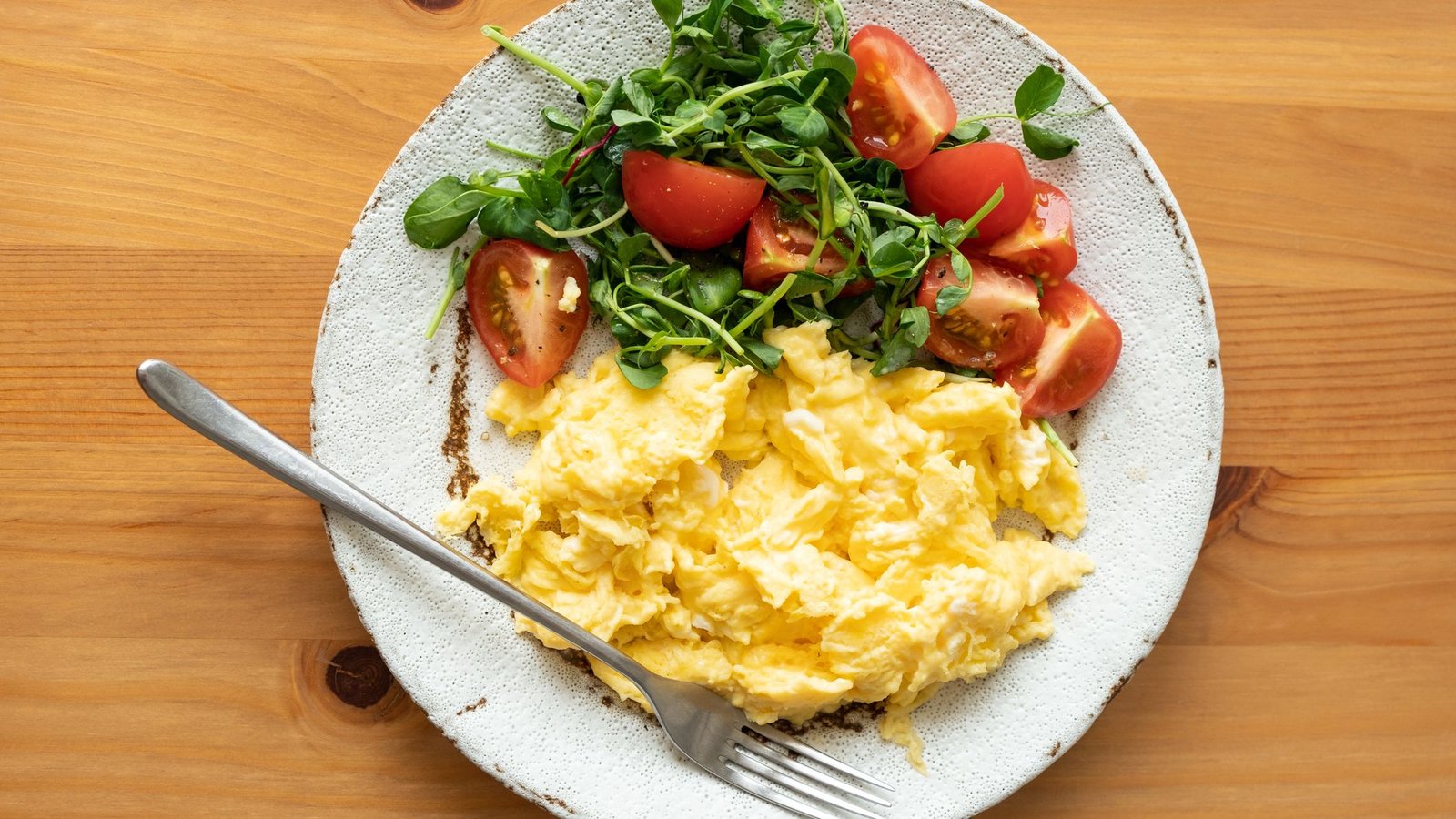
Introduction to Scrambled Eggs Done Right
Scrambled eggs are the unsung heroes of breakfast, a dish so simple yet so easy to get wrong. Whether you’re a busy parent whipping up a quick meal or a culinary enthusiast aiming for perfection, mastering scrambled eggs can elevate your mornings. This guide dives deep into the techniques, tools, and tips to create scrambled eggs that are fluffy, creamy, and bursting with flavor—every single time.
Why Scrambled Eggs Are a Breakfast Staple
Scrambled eggs are beloved for their versatility, affordability, and speed. From a rushed weekday breakfast to a leisurely brunch, they adapt to any occasion. Packed with protein and endlessly customizable, they’re a canvas for creativity in the kitchen.
A Brief History of Scrambled Eggs
Eggs have been a dietary staple for centuries, with scrambled eggs appearing in cookbooks as early as the 14th century. The French perfected the low-and-slow method, while American diners popularized the quick, fluffy version. Today, scrambled eggs are a global comfort food, cherished for their simplicity.
Nutritional Benefits of Scrambled Eggs
Eggs are a nutritional powerhouse, offering high-quality protein, vitamins B12 and D, and essential minerals like selenium. A single egg contains about 70 calories and 6 grams of protein, making it a satisfying, low-calorie option. Pair them with veggies or whole-grain toast for a balanced meal.
The Science Behind Perfect Scrambled Eggs
Great scrambled eggs rely on understanding a bit of science. Eggs are mostly water, protein, and fat, and how you cook them affects their texture. Cooking too fast or too hot causes the proteins to tighten, resulting in rubbery eggs. Low, gentle heat keeps them tender and creamy.
The Role of Heat in Egg Cooking
Low heat allows the proteins to coagulate slowly, creating soft curds. High heat, on the other hand, squeezes out moisture, leaving eggs dry. A medium-low flame or setting is your sweet spot for perfect results.
Why Egg Quality Matters
Fresh, high-quality eggs make a noticeable difference. Free-range or organic eggs often have richer yolks, which contribute to flavor and color. Check the carton’s date and opt for eggs no older than two weeks for the best outcome.
Essential Tools for Perfect Scrambled Eggs
You don’t need fancy equipment, but the right tools make a difference. Here’s what you’ll need to achieve scrambled egg perfection.
Must-Have Kitchen Tools
- Nonstick Skillet: A 10-inch nonstick pan ensures eggs don’t stick and makes cleanup easy.
- Silicone Spatula: Flexible and heat-resistant, it’s ideal for stirring eggs gently.
- Whisk or Fork: For blending eggs evenly before cooking.
- Mixing Bowl: A small bowl for whisking eggs with add-ins like milk or cream.
- Heat Source: Gas, electric, or induction stovetop—medium-low heat is key.
Optional but Helpful Tools
- Double Boiler: For ultra-creamy eggs, a double boiler mimics the French method.
- Thermometer: To monitor pan temperature (aim for 160–180°F).
- Cheese Grater: For adding freshly grated cheese as a finishing touch.
Ingredients for Perfect Scrambled Eggs
The beauty of scrambled eggs lies in their simplicity, but choosing the right ingredients is crucial. Here’s a breakdown of what you’ll need and why.
Core Ingredients
- Eggs: 2–3 large eggs per person for a hearty serving.
- Fat: Butter for richness or neutral oil (like avocado oil) for a lighter option.
- Salt: A pinch enhances flavor—add it before cooking for even distribution.
- Pepper: Freshly ground black pepper adds a subtle kick.
Optional Add-Ins for Flavor
- Milk or Cream: 1 tablespoon per 2 eggs for creaminess (optional but recommended).
- Cheese: Cheddar, feta, or goat cheese for a melty, tangy boost.
- Herbs: Fresh chives, parsley, or dill for a pop of color and flavor.
- Veggies: Diced onions, bell peppers, or spinach for added nutrition.
| Ingredient | Purpose | Recommended Amount (per 2 eggs) |
|---|---|---|
| Butter | Adds richness | 1 tsp to 1 tbsp |
| Milk/Cream | Enhances creaminess | 1 tbsp |
| Salt | Boosts flavor | Pinch |
| Cheese | Adds depth | 1–2 tbsp grated |
Step-by-Step Guide to Perfect Scrambled Eggs
Now, let’s get to the heart of the matter: how to make scrambled eggs that will leave everyone asking for seconds. Follow these steps for foolproof results.
Step 1: Prep Your Ingredients
Crack 2–3 eggs per person into a bowl. Add a pinch of salt and, if desired, 1 tablespoon of milk or cream per 2 eggs. Whisk until fully combined but don’t overdo it—over-whisking can make eggs tough.
Step 2: Heat Your Pan
Place a nonstick skillet over medium-low heat and add 1 teaspoon to 1 tablespoon of butter or oil. Let it melt and coat the pan evenly. The pan should be warm but not smoking—around 160°F if you’re using a thermometer.
Step 3: Cook Low and Slow
Pour the eggs into the pan. Let them sit for 10–15 seconds to form soft curds. Use a silicone spatula to gently push the eggs from one side of the pan to the other, ensuring even cooking.
Step 4: Stir and Fold
Continue stirring every 10–15 seconds, folding the eggs rather than aggressively scrambling. This creates large, soft curds. If adding cheese or veggies, fold them in when the eggs are about 70% set.
Step 5: Know When to Stop
Remove the eggs from the heat when they’re slightly underdone—about 80–90% set. They’ll continue cooking from residual heat. Serve immediately for the best texture.
Common Mistakes to Avoid
Even seasoned cooks can mess up scrambled eggs. Here are the top pitfalls and how to avoid them.
Overcooking the Eggs
Cooking eggs too long or at high heat results in a rubbery texture. Stick to medium-low heat and pull them off early to keep them soft.
Skipping the Whisking Step
Not whisking eggs thoroughly leads to uneven texture. Use a fork or whisk to blend yolks and whites completely before cooking.
Adding Salt Too Late
Salt added after cooking can make eggs taste flat. Whisk in a pinch before cooking to enhance flavor evenly.
Using a Cold Pan
A cold pan causes eggs to stick and cook unevenly. Preheat your pan gently to ensure smooth results.
Variations on Scrambled Eggs
Scrambled eggs are a blank canvas for creativity. Here are some delicious variations to try.
French-Style Scrambled Eggs
French scrambled eggs are ultra-creamy, almost custard-like. Cook them in a double boiler over low heat, stirring constantly for 10–15 minutes. The result is worth the effort.
American Diner-Style Scrambled Eggs
For fluffy, diner-style eggs, use medium heat and stir less frequently to form larger curds. Add a splash of milk for extra fluffiness.
Loaded Scrambled Eggs
Mix in sautéed veggies like mushrooms, onions, or tomatoes, plus a handful of shredded cheese. Top with fresh herbs for a gourmet touch.
Spicy Scrambled Eggs
Add diced jalapeños or a pinch of cayenne pepper for a kick. Pair with avocado slices to balance the heat.
Pros and Cons of Different Cooking Methods
| Method | Pros | Cons |
|---|---|---|
| Low and Slow | Creamy, tender texture | Takes longer (5–10 minutes) |
| Medium Heat | Quick, fluffy results | Risk of overcooking |
| Double Boiler | Ultra-creamy, restaurant-quality | Requires special equipment |
| Microwave | Fastest (1–2 minutes) | Can be rubbery if not monitored |
Best Tools for Scrambled Eggs: A Comparison
| Tool | Best For | Price Range | Where to Buy |
|---|---|---|---|
| Nonstick Skillet | Everyday cooking | $20–$50 | Amazon, Target, Walmart |
| Silicone Spatula | Gentle stirring | $5–$15 | Kitchen stores, online retailers |
| Double Boiler | French-style eggs | $30–$80 | Specialty kitchen stores |
| Whisk | Even mixing | $5–$20 | Any kitchen retailer |
People Also Ask (PAA) Section
How Do You Make Scrambled Eggs Fluffy?
To make fluffy scrambled eggs, whisk in a tablespoon of milk or cream per 2 eggs and cook over medium-low heat. Stir gently to form large curds and remove from heat when slightly underdone.
Can You Make Scrambled Eggs Without Milk?
Yes, scrambled eggs can be made without milk. They’ll still be delicious but slightly less creamy. Use butter for richness and season well with salt and pepper.
How Many Eggs Should You Use per Person?
For a single serving, 2–3 large eggs are ideal. Adjust based on appetite or if you’re adding hearty ingredients like cheese or veggies.
Why Are My Scrambled Eggs Rubbery?
Rubbery eggs are often caused by overcooking or using high heat. Cook on medium-low and remove the eggs when they’re still slightly wet to avoid this.
Tips for Elevating Your Scrambled Eggs
- Use Fresh Herbs: Sprinkle chopped chives or parsley on top for a fresh, vibrant flavor.
- Experiment with Fats: Try olive oil for a Mediterranean twist or bacon fat for a smoky depth.
- Add a Splash of Acid: A tiny drizzle of lemon juice or vinegar can brighten the flavor.
- Serve Immediately: Scrambled eggs lose their magic if they sit too long. Plate them hot.
Pairing Scrambled Eggs with Sides
Scrambled eggs shine alongside complementary sides. Here are some ideas:
- Toast or Bagels: Whole-grain or sourdough toast with butter or cream cheese.
- Avocado: Sliced or mashed avocado adds creaminess and healthy fats.
- Bacon or Sausage: Crispy bacon or savory sausage links for a classic combo.
- Fresh Fruit: Berries or sliced melon for a refreshing contrast.
A Personal Story: My Scrambled Egg Journey
I’ll never forget the first time I tried to make scrambled eggs as a teenager. I cranked the heat to high, thinking faster was better, and ended up with a rubbery, sad mess. My mom, a breakfast wizard, taught me the low-and-slow method, and it was a game-changer. Now, every Sunday, I whip up a batch with fresh chives from my garden, and it’s become a family ritual. There’s something magical about turning a few humble eggs into a dish that brings everyone to the table with smiles.
FAQ Section
Q: Can I make scrambled eggs in advance? A: Scrambled eggs are best fresh, but you can prep them a day ahead and reheat gently in a microwave or stovetop with a splash of milk. They may lose some texture, though.
Q: Are scrambled eggs healthy? A: Yes, scrambled eggs are healthy, providing protein, vitamins, and minerals. Avoid excessive butter or cheese to keep them light, and pair with veggies for added nutrition.
Q: Can I freeze scrambled eggs? A: Yes, you can freeze cooked scrambled eggs in an airtight container for up to a month. Thaw in the fridge and reheat gently to avoid a rubbery texture.
Q: What’s the best pan for scrambled eggs? A: A nonstick skillet is ideal for scrambled eggs, as it prevents sticking and ensures easy cleanup. A 10-inch pan works well for 4–6 eggs.
Q: How do I make scrambled eggs for a crowd? A: Use a large skillet and work in batches to avoid overcrowding. Keep cooked eggs warm in a low oven (200°F) while preparing more.
Where to Find the Best Ingredients
- Eggs: Local farmers’ markets or grocery stores like Whole Foods for organic, free-range options.
- Butter: Brands like Kerrygold or Plugra for rich, high-quality flavor.
- Herbs: Grow your own or buy fresh from supermarkets like Trader Joe’s.
- Cheese: Specialty cheese shops or online retailers like Murray’s Cheese for premium options.
Conclusion: Your Path to Scrambled Egg Mastery
Perfect scrambled eggs are within your reach, whether you’re a beginner or a seasoned cook. By using fresh ingredients, the right tools, and a low-and-slow technique, you can create a breakfast dish that’s fluffy, flavorful, and unforgettable. Experiment with add-ins, pair with your favorite sides, and make it your own. Ready to get cracking? Head to your kitchen and start whisking—your perfect plate of scrambled eggs is just minutes away.
For more kitchen inspiration, check out our guides on mastering omelets or choosing the best nonstick pans. For high-quality ingredients, visit Whole Foods or your local farmers’ market